Butter Blonde: What It Is and How to Keep It From Dulling
Butter blonde is warm and creamy, not ash. What sets it apart from the blondes it gets confused with, who it suits, and the habit that turns it grey.
Blendsor
Blendsor Team
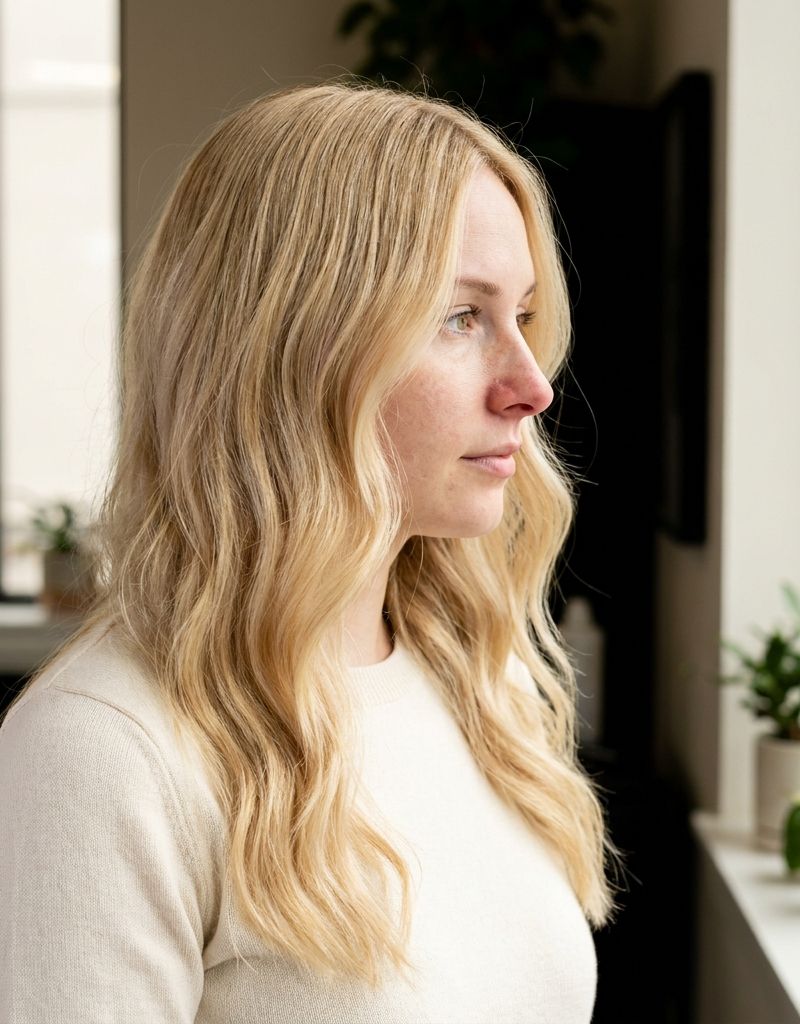
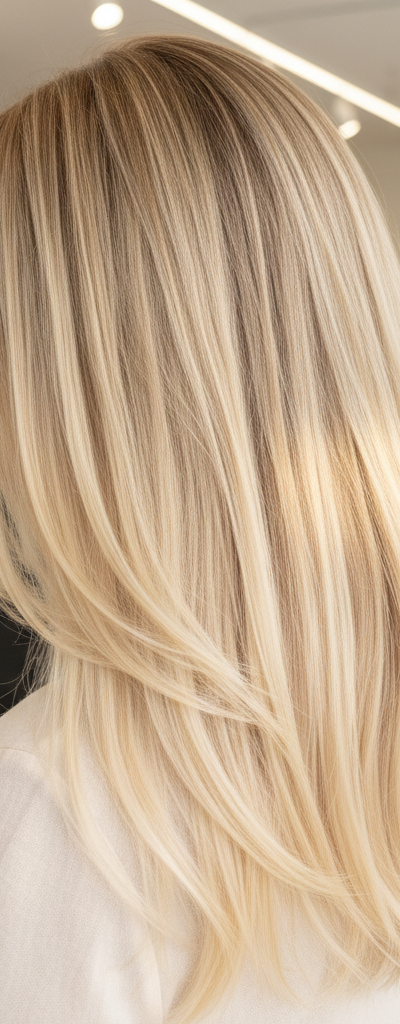
Butter blonde is a light, warm, creamy blonde with a soft golden reflect and no ash in it. It usually lives between a bright 8 and a 10, but its signature isn’t the level, it’s the creaminess: buttery gold, never straw-yellow and never coppery. It’s the opposite of icy platinum — which is exactly why the product most people reach for to maintain it is the one that can ruin it.
Short version: warm and creamy, golden reflect, usually between a bright 8 and a 10. Best on warm and neutral skin tones. The mistake that dulls it most doesn’t happen in the salon — it happens with a bottle of purple shampoo and too heavy a hand.
What exactly is butter blonde?
It’s a light blonde with the temperature dial turned warm. Wella Professionals defines it as “a warm, creamy blonde shade with soft golden undertones” — rich and luminous, with a sun-kissed look. In practice it’s the color of the inside of a croissant: gold with body, stopping short of anything brassy.
What defines it isn’t the level, it’s the creaminess. Two heads of hair can sit at the same level 9 and read straw-like, muddy or metallic. Butter blonde is recognizable because the golden reflect looks soft, almost matte in the good sense, without the edge of yellow or the heat of copper.
Which means two things are worth ruling out from the start:
- It’s not a turned-up golden blonde. Aggressive gold tips into brass; butter stops one step before.
- It’s not a blonde with orange in it. If peach or copper shows up, it isn’t butter anymore — it’s a different warm blonde and it’s maintained differently.
It sits among the season’s reference blondes, alongside the rest of the family we cover in hair color trends.
How it differs from the blondes it gets confused with
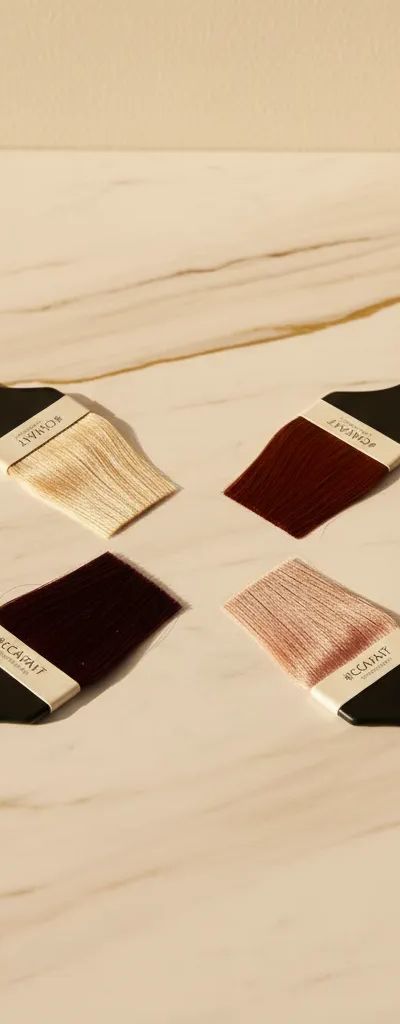
This is where it gets asked for badly. Four neighboring shades get mistaken for butter constantly, and the difference between them isn’t level — it’s which way the reflect leans:
| Shade | Temperature | Dominant reflect | What sets it apart |
|---|---|---|---|
| Butter | Warm | Creamy gold | Soft gold, no orange, no ash |
| Vanilla | Warm-neutral | Gold with an iridescent touch | Cooler, a notch more polished |
| Champagne | Neutral | Pale gold with a pearl veil | Less gold, more “sand” |
| Honey | Warm | Golden amber | Deeper, with more dimension |
| Cashmere | Contained warmth | Muted gold | The warmth is veiled, not loose |
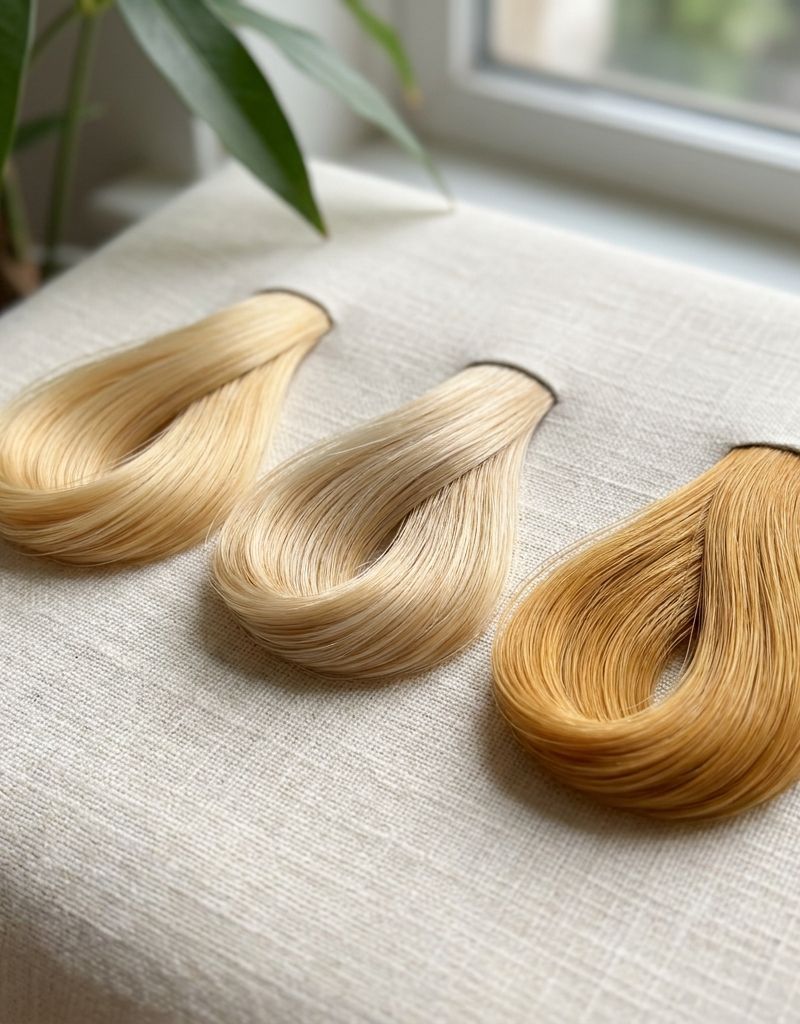
Three different names, three directions of reflect.
Names vary from brand to brand; what holds is which way the reflect leans.
If your hair tends to pull amber, what you’re after may actually be warm honey blonde. If what draws you is restrained warmth with a more refined finish, look at cashmere blonde before you commit.
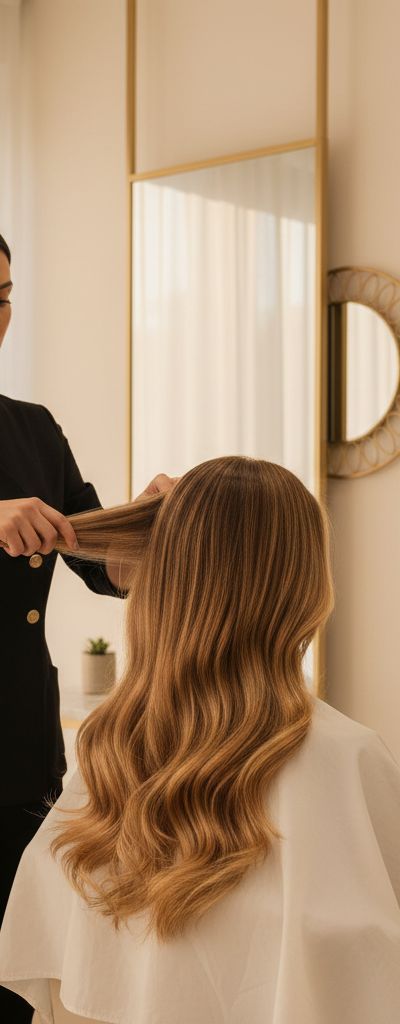
How to ask for it without getting it wrong: the phrase that works in a consultation is “warm butter blonde, no ash, soft golden reflect.” Bring a photo too — knowing that the photo says where you want to end up, not where you’re starting from.
Who it suits, and what your starting point decides
It flatters warm and neutral skin tones especially, and green, hazel or warm brown eyes. On very cool skin it may need adjusting, usually by dialing the gold back a notch. If you’ve never done that diagnosis, the guide to the best hair color for your skin tone lays out the undertone logic.
But what really governs the plan isn’t your skin — it’s where your hair is starting from. Butter blonde over an already-light base is a toning job. Over a dark base or built-up color, it’s a lifting job, with everything that implies in sessions, in cost, and in the condition the fiber ends up in.
And one case worth saying plainly: if you’re coming from ash blonde or months of accumulated cool toners, butter doesn’t appear by simply laying gold on top. The accumulated cool has to come out first, and in practice that usually means a color-removal service — a service in itself, with its cost and its wear: sometimes it fits in the same appointment, sometimes it asks for one more. That isn’t a problem with the shade you’re asking for — it’s your starting point.
The maintenance that decides whether it lasts (and the purple shampoo trap)
Here’s the part that rarely gets told properly, because the general rule of the blonde world flips on this particular shade.
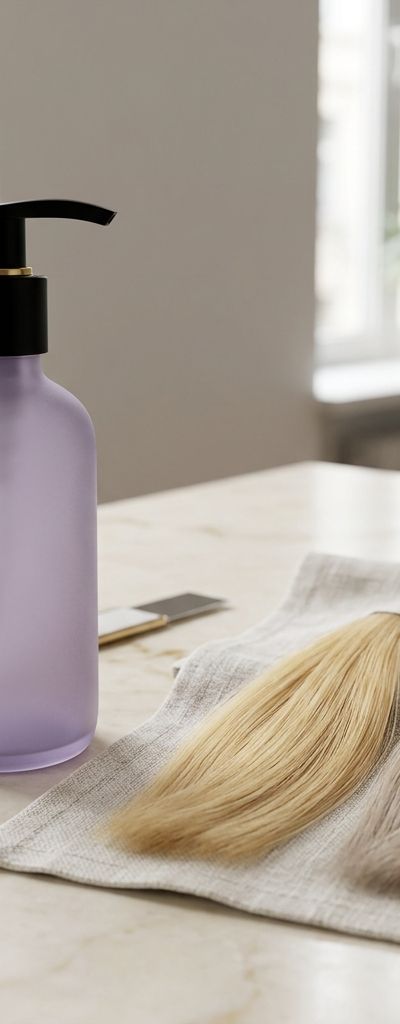
The rule everyone knows: blonde means purple shampoo. And it isn’t wrong. When butter blonde fades, the first thing to surface is straw-yellow, and violet is exactly what offsets it. The problem is the dose.
On butter blonde, the margin is narrow. Violet doesn’t distinguish between the yellow you don’t want and the gold you paid for — it flattens both. L’Oréal Paris warns about this explicitly for this exact shade: over-toning makes butter blonde take on a more ashy cast, and they recommend no more than twice a week. Wella, for its part, reserves purple for the cool versions of this blonde, and for reviving the gold recommends something else entirely: a mask that deposits gold pigment.
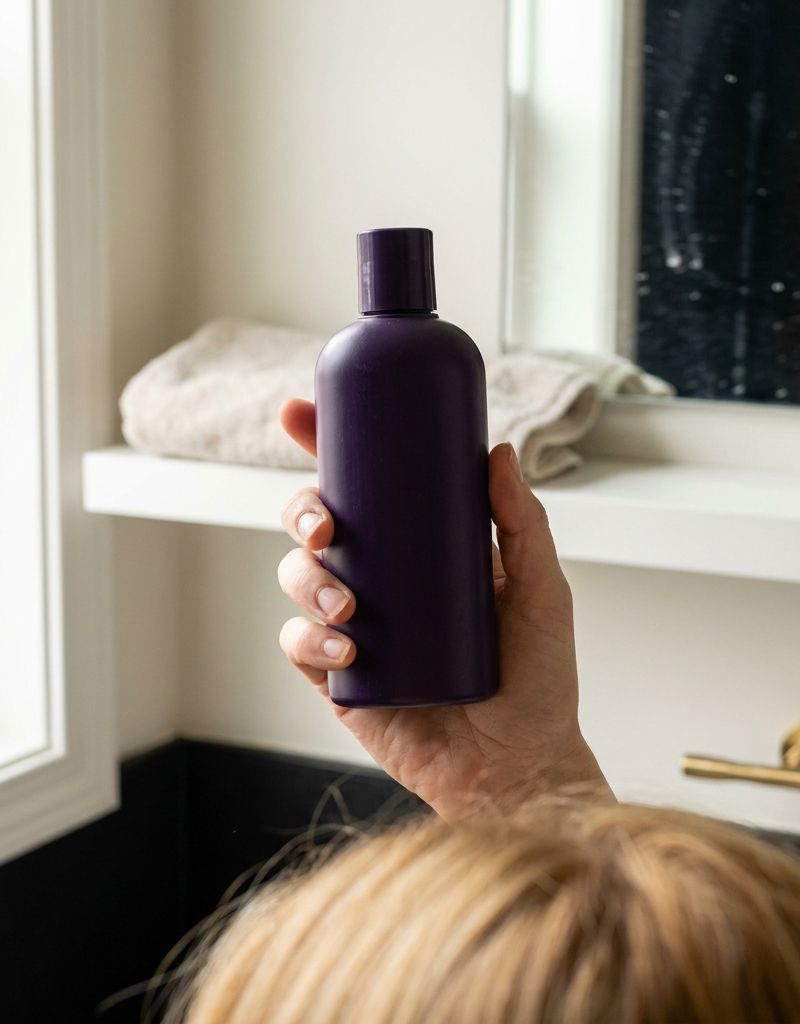
The bottle that holds your blonde is the same one that can flatten it.
In shower terms:
- Purple by signal, not by schedule. Use it when you see yellow surfacing, not “because it’s Monday.”
- To bring creaminess back, gold — not violet. If what you’re seeing is a flat, bodyless tone, violet sinks it further. What restores the buttery quality is gold pigment. That said, the gold mask is also used by signal and with a light hand: it deposits pigment just like violet does, and on worn ends it grabs twice as hard. Start with short timings, avoid working it into the most porous lengths, and if your hair is heavily processed, ask at your salon which one suits it. Overdoing this side doesn’t leave you grey — it leaves you peach.
- If you’re unsure what your reflect is, look at it dry, in window light, against something white. Bathroom bulbs push any blonde toward yellow and will make you choose wrong. The full criteria are in the guide to purple shampoo for blonde hair.
- Sulfate-free shampoo for every other wash: sulfates pull pigment, and butter blonde lives on its pigment.
Summed up by what you see in the mirror:
| What you see | What’s happening | What to use |
|---|---|---|
| Straw-yellow surfacing | Gold fading, the natural yellow underneath showing through | Purple, once, then wait |
| Flat tone, no creaminess | Missing gold pigment | Mask with gold pigment |
| Grey, flat, no light | Over-toned with violet | Stop the purple for a few washes |
| Peach or copper | Not a toning issue — a different starting point | Ask before buying anything |
The sign you’ve overdone it: hair looks grey, flat and lightless, not “cleaner.” An over-toned blonde doesn’t read cool and elegant, it reads dull. If you get there, stop the violet and let it grow out a few washes before touching anything else.
The three habits that dull it
- Using purple as a fixed routine. The number one mistake and the most expensive, because it slowly undoes the salon’s work. Dose by signal.
- Chasing it from ash without clearing the cool first. The result is a muddy tone that’s neither one thing nor the other, and usually gets read as “the color didn’t take.”
- Confusing lost creaminess with lost shine. If the tone is still right but looks matte, it’s often finish rather than color: product buildup, hard water or heat. Piling on more pigment won’t fix that.
Frequently asked questions
Is butter blonde warm or cool?
Warm. That’s its defining trait: a soft golden reflect and no ash. Slightly cooler versions exist — heading toward vanilla — but if the result reads grey or silver, it isn’t butter blonde anymore.
Can I use purple shampoo on butter blonde?
Yes, but with a light hand and by signal, not by routine. It holds back the straw-yellow that surfaces as the color fades. Overdoing it pushes the shade toward ash and strips exactly the creaminess that defines it. To bring the gold back, a gold-pigmented mask is the right tool, not violet.
How long before it starts to dull?
It depends mostly on your hair’s porosity, how often you wash, and the water where you live — not on the name of the shade. As a practical marker, the reflect — the creaminess — goes first; the level doesn’t darken: what you see appearing is the straw-yellow that was underneath all along.
Can it be done on dark hair?
Yes, but not in one session and not in every case. It depends on your starting level, on built-up color, and on the condition of the fiber. It’s a diagnosis conversation, not a decision made from a photo.
Does it work if I have greys?
With scattered greys it usually works well: the gold softens the contrast, so the grow-out line reads less sharply than it would with a cool blonde. Once the proportion of grey is high the plan changes — it stops being only about tone and coverage comes into play, and that’s a diagnosis conversation before anything is decided.
How often do I need to go back to the salon?
Depends what you’re going back for. The tone loses creaminess before it loses level, so the first thing to refresh is usually the toner — a gloss — and after that the root, which your own growth rate dictates. The exact cadence is set by whoever does your color, based on your starting point: it isn’t the same for butter over an already-light base as over one that had to be lifted.
Is butter blonde the same as buttercream blonde?
Essentially yes — you’ll see both names used for the same warm, creamy blonde. Some brands use “buttercream” for a slightly cooler take, so it’s worth showing a reference image rather than relying on the name alone.
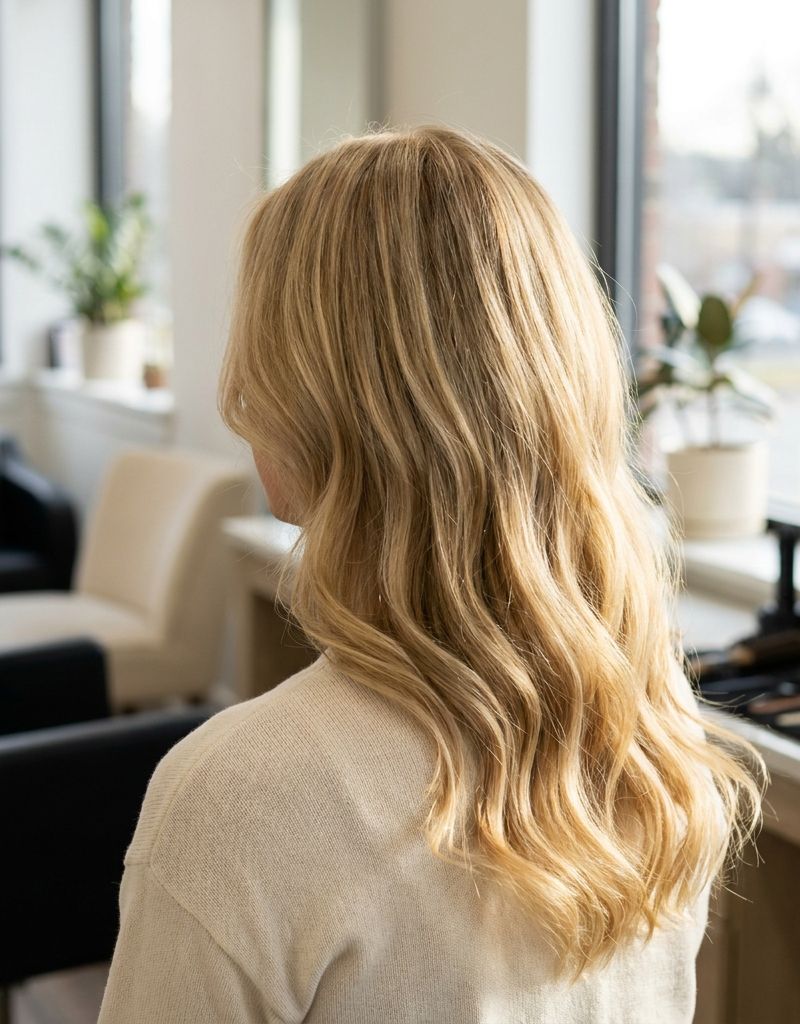
Creamy, not ash: the gold is the shade, not the flaw.
The short of it
- Warm, creamy, no ash. Creaminess is what defines it, not the level: there are legitimate butter blondes from a bright 8 upward.
- It isn’t turned-up gold and it has no orange. If copper or peach shows, it’s a different blonde.
- Best on warm and neutral skin tones, but what sets the plan is your starting point, not your complexion.
- Purple by signal, not by schedule. It’s the habit that dulls it most, and it happens at home.
- To restore the buttery quality, gold pigment. Violet corrects yellow; it doesn’t give creaminess back.
If you work behind the chair: the handoff that prevents the “it went grey on me” appointment fits in one sentence said in the chair. This shade dies of at-home over-toning far more than of natural fade, so it’s worth sending the purple out with an explicit ceiling — signal instead of routine — and, where possible, the gold mask as the recovery product. Anyone who leaves with only the violet comes back in six weeks with a dull blonde asking for “more light.”
Find your exact shade without guessing
Want to know what tone you’re actually on right now, and its equivalent in any brand, before your next appointment?
Check it in the shade converter →
Does your butter blonde hold its creaminess, or does it drift straw-yellow on you?
Related articles
The Blendsor newsletter
Color techniques and trends for professionals. No spam.
You know the theory. What about today's case?
Send a photo to the Blendsor advisor and get an answer grounded in colour theory: toner, developer and timing, with the brands on your shelf.
Ask about your caseWritten by the Blendsor team
Professional hair colorimetry experts with experience in AI-assisted formulation. We combine color science, salon practice and technology to help colorists formulate with precision.